Introduction
Backpacking is among those thrilling experiences where you can reconnect with nature, check out new terrains, and indulge in the tranquility that only the great outdoors can provide. Nevertheless, with every adventure comes a duty-- a duty to step gently and lessen our effect on the setting. The world is transforming, and so have to we. It's time to embrace environment-friendly backpacking practices that not just enhance our outside experiences yet additionally add favorably to the earth we cherish. In this write-up, we'll dive deep into the nitty-gritty of eco-friendly backpacking and guide you on how to be a responsible adventurer.
Eco-friendly Backpacking: Exactly how to Reduce Your Influence On the Environment
When we consider backpacking, visions of large landscapes, starlit skies, and tough routes come to mind. Yet, behind this romantic idea exists an indisputable truth: our activities can leave enduring footprints on Mother Nature. So how can we embark on these trips without damaging the actual setting we like?
1. Understanding Your Footprint
Before diving into solutions, it's essential to understand what our "impact" actually implies in the context of backpacking. Every action we take-- be it setting up camp or dealing with waste-- affects the ecological community around us.
What is an Ecological Footprint?
Your ecological impact measures your need in the world's ecological communities. It determines how much land and water area a human populace requires to generate the sources it consumes and absorb its waste.
- Land Use: The room required for plants or livestock. Water Consumption: Freshwater used for personal or agricultural needs. Carbon Emissions: Greenhouse gases generated by transportation or power use.
Understanding this concept encourages us to make far better options while backpacking.
2. Choosing Green Gear
Investing in environmentally friendly equipment is critical for responsible backpacking. Right here are some pointers:
Material Matters
Look for tools made from recycled materials or lasting resources like natural cotton and hemp. Brand names that prioritize sustainability commonly offer items made for durability, reducing waste over time.
|Gear Kind|Environmentally friendly Alternatives|| -----------------|-------------------------------|| Backpacks|Recycled polyester|| Sleeping Bags|Organic cotton fill|| Tents|Lasting nylon|| Food preparation Equipment|Naturally degradable utensils|
Buy Less yet Better
Instead of building up equipment you'll seldom make use of, concentrate on top quality items that serve multiple objectives. Not just will this lighten your load however it additionally minimizes source consumption.
3. Preparation Your Trip Responsibly
A well-planned journey is not just about drawing up trails; it has to do with understanding just how your adventure impacts nature.
Research Path Conditions
Before heading out, research study route problems and local regulations relating to camping areas. Lots of areas have actually marked websites to reduce environmental degradation.
Choose Off-Peak Times
Consider traveling during much less hectic seasons or weekdays when trails are much less crowded. This helps in reducing damage on popular paths and provides you a much more tranquil experience.
4. Disappear Principles
The Disappear principles are foundational guidelines for any type of nature fan intending to decrease their impact.
Plan Ahead Travel & Camp on Durable Surfaces Dispose of Waste Properly Leave What You Find Minimize Campfire Impact Respect Wildlife Be Considerate of Various other VisitorsBy adhering to these principles, you contribute dramatically towards preserving natural elegance for future generations.
5. Waste Administration While Backpacking
One of the most significant obstacles encountered while backpacking is waste management.
Pack It In, Load It Out
This olden concept highlights lugging every thing you brought with you back home-- including food scraps and eco-friendly waste.
Use Biodegradable Products
Opt for biodegradable soap and toiletries whenever feasible to decrease chemical air pollution in all-natural water sources.
6. Water Conservation Techniques
Water is priceless-- especially when you're out in nature where sources might be limited.
Filtering Water Safely
Always carry a mobile water filter or filtration tablet computers instead of relying exclusively on bottled water or without treatment resources which may damage local ecosystems.
Conserve Water Usage
Limit showers or cleaning meals making use of marginal water-- every decrease counts!
7. The Relevance of Wildlife Respect
Encountering wild animals can be among one of the most exhilarating aspects of backpacking; nonetheless, it's essential to appreciate their space.
Observe From Afar
Maintain a safe range from pets and never ever feed them-- this changes their all-natural habits and can lead them right into unsafe situations with people or other wildlife.
8. Environmentally Friendly Food Preparation Practices
Camp cooking doesn't need to damage the environment!
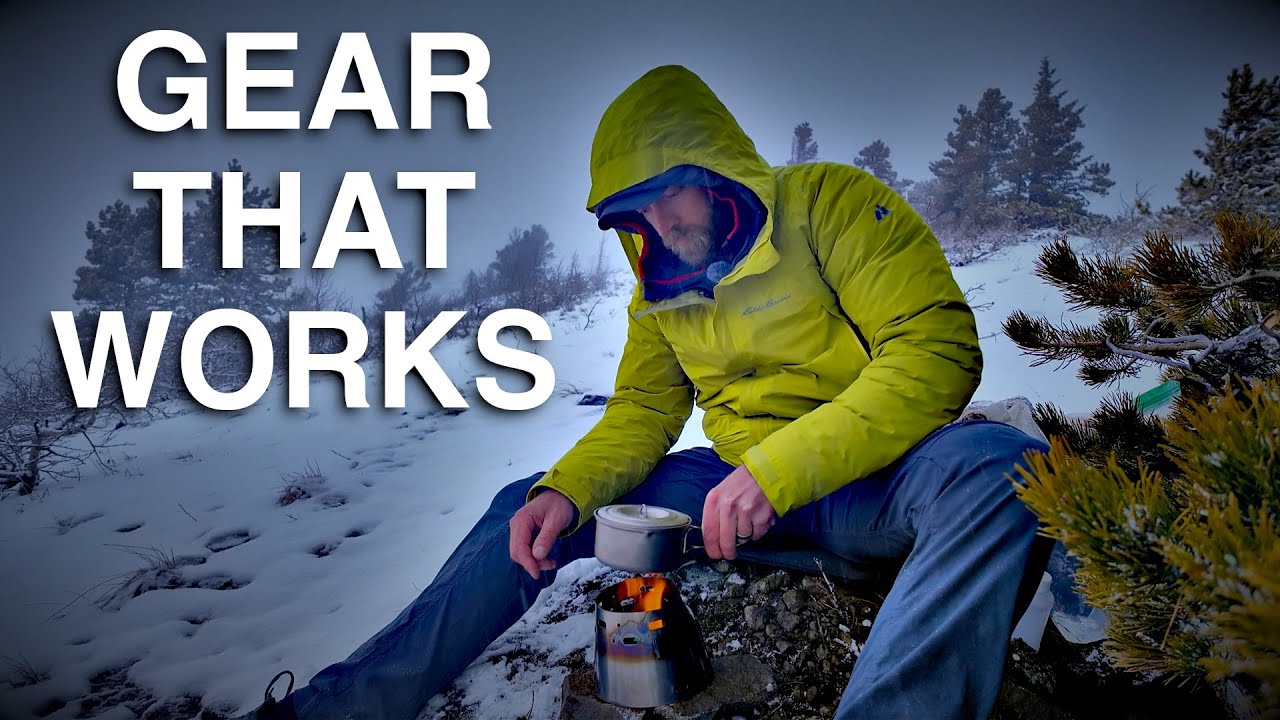
Use Portable Stoves Rather than Fires
Cooking with portable ranges decreases logging threats related to gathering fire wood and decreases impact on soil quality.
Opt for Regional Components When Possible
If your route permits quits at local markets, take into consideration buying fresh ingredients as opposed to pre-packaged meals-- it sustains neighborhood economic climates while minimizing product packaging waste!
9: Sustainable Apparel Choices
Your apparel selections matter also! Lots of outside brands currently supply garments made from recycled materials that not just carry out well yet additionally decrease ecological impact-- a win-win!
- Think about layering instead of bulky jackets; this method keeps you warm without using up way too much space. Choose breathable fabrics like merino woollen that normally control temperature while reducing smell retention-- great for extensive trips!
10: Team Characteristics in Liable Backpacking
Traveling with pals can magnify both pleasure-- and obligation!
Encouraging group members jointly adopt green behaviors improves everybody's experience while cultivating friendship with shared values!
- Create public guidelines prior to departure-- including techniques like car pool (to cut emissions) & & sharing cooking gear. Organize clean-up initiatives along tracks & & campsites throughout trips as fun bonding activities!
Conclusion
As we finish up our expedition right into green backpacking methods allow's bear in mind: decreasing our ecological effect calls for understanding along each step taken-- from planning stages through execution-- ultimately making certain future generations enjoy nature's splendor just as we do today!
So pack those bags wisely due to the fact that every adventure waits for ... just tread lightly!
FAQs
1. What does "Disappear" mean?
Leave No Trace describes concepts aimed at promoting liable exterior values which assist shield all-natural rooms from human-caused damages via mindful planning & & considerate actions in the direction of wildlife/environmental sources alike!
2 Can I make use of normal soap while camping?
Utilizing standard soaps might present hazardous chemicals right into neighboring waterways; choose instead for eco-friendly choices made particularly for outdoor use making sure very little eco-friendly disruption takes place!
3 Are there particular environment-friendly brands I need to look out for?
Definitely! Brands like Patagonia & & REI emphasize sustainability within item development by using recycled materials & & ethical manufacturing procedures-- most definitely worth having a look at when shopping around!
4 Just how do I handle waste effectively while hiking?
Utilize trash can assigned solely for accumulating waste throughout walkings; ensure all refuse (including sports food scraps) obtains packed out before leaving campsite areas behind clean!
5 Is it fine if I come across wildlife while hiking?
Yes-- but keep distance without approaching them in order not interrupt their habitats/behaviors unnecessarily; appreciate observing from afar instead!
6 What are some benefits associated with eco-friendly techniques when backpacking? Participating in eco-conscious methods enhances general pleasure by connecting much deeper with environments-- all while adding favorably towards conservation initiatives securing wilderness areas long-term!